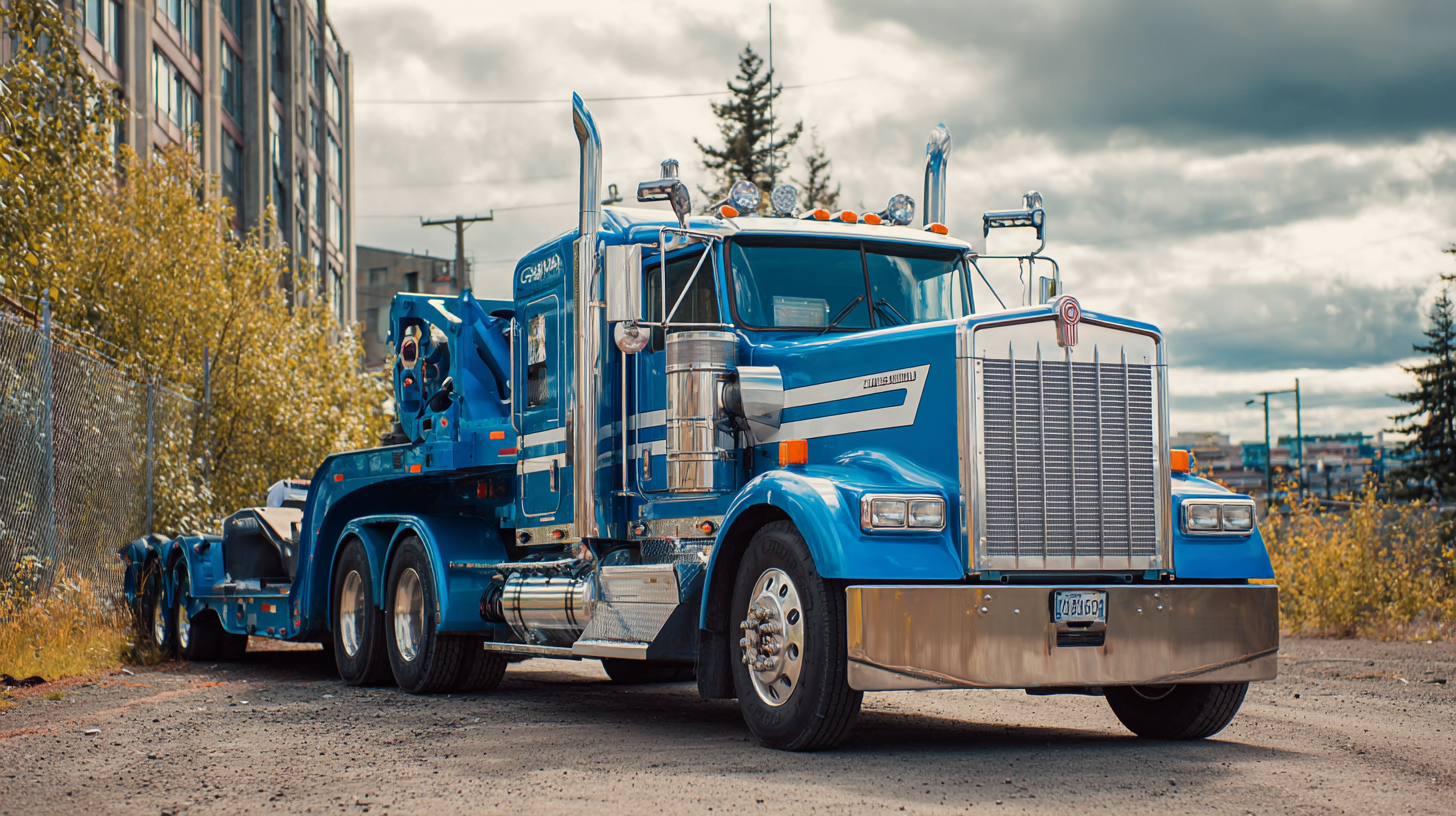
Lately, there's been quite a buzz around Large Tow Trucks—it's like everyone's realizing just how much we rely on them for roadside help and hauling heavy vehicles. If you look at the numbers, the global tow truck market is expected to hit around $6 billion by 2025. The driving forces? Urban growth and more frequent vehicle breakdowns, it seems.
Companies like DEYANG HONGKAI AUTO TRADING CO., LTD., based in Sichuan Province, China, are really stepping up their game. They're not just trading trucks locally but also expanding into international markets, which is pretty impressive. In 2023, they made some pretty exciting strides, especially with refurbishing trucks, riding this upward trend.
As we explore the world of Large Tow Trucks, you'll find ten surprising facts that really shed some light on how vital they are, what they can do, and how they're shaping today’s transportation scene.
The Evolution of Large Tow Trucks: From Simple Designs to Modern Marvels
You know, the story of how Big Tow Trucks have evolved is pretty fascinating when you think about where they started. Back in the day, these machines were pretty basic — just manual devices relying on simple mechanical parts to get the job done. They were mainly used for recovery, and honestly, they often had a tough time with heavier loads. No fancy tech here, just a basic boom and a winch to lift and move broken-down vehicles from point A to point B.
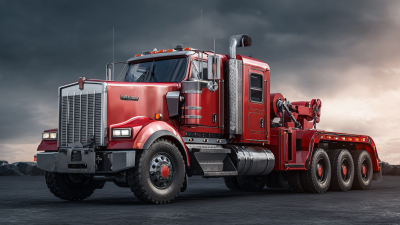
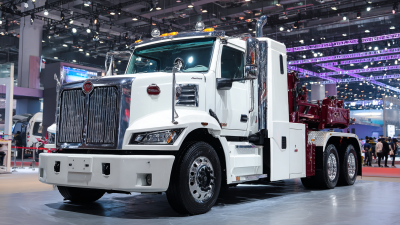
As cars and trucks got more advanced, so did the tow trucks. Today’s big tow trucks are real beasts — they come with powerful engines, hydraulic systems, and super advanced towing tricks that let them handle not just regular cars, but larger stuff too, like buses, trucks, and even construction gear. Plus, they’ve got cool features like integrated GPS, safety mechanisms, and multi-purpose cranes, making them essential tools on the roadside. It’s pretty incredible how far they’ve come, all thanks to technology and the increasing need for safer, more efficient recovery work.
Understanding the Different Types of Large Tow Trucks and Their Unique Roles
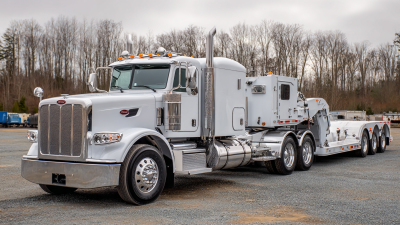
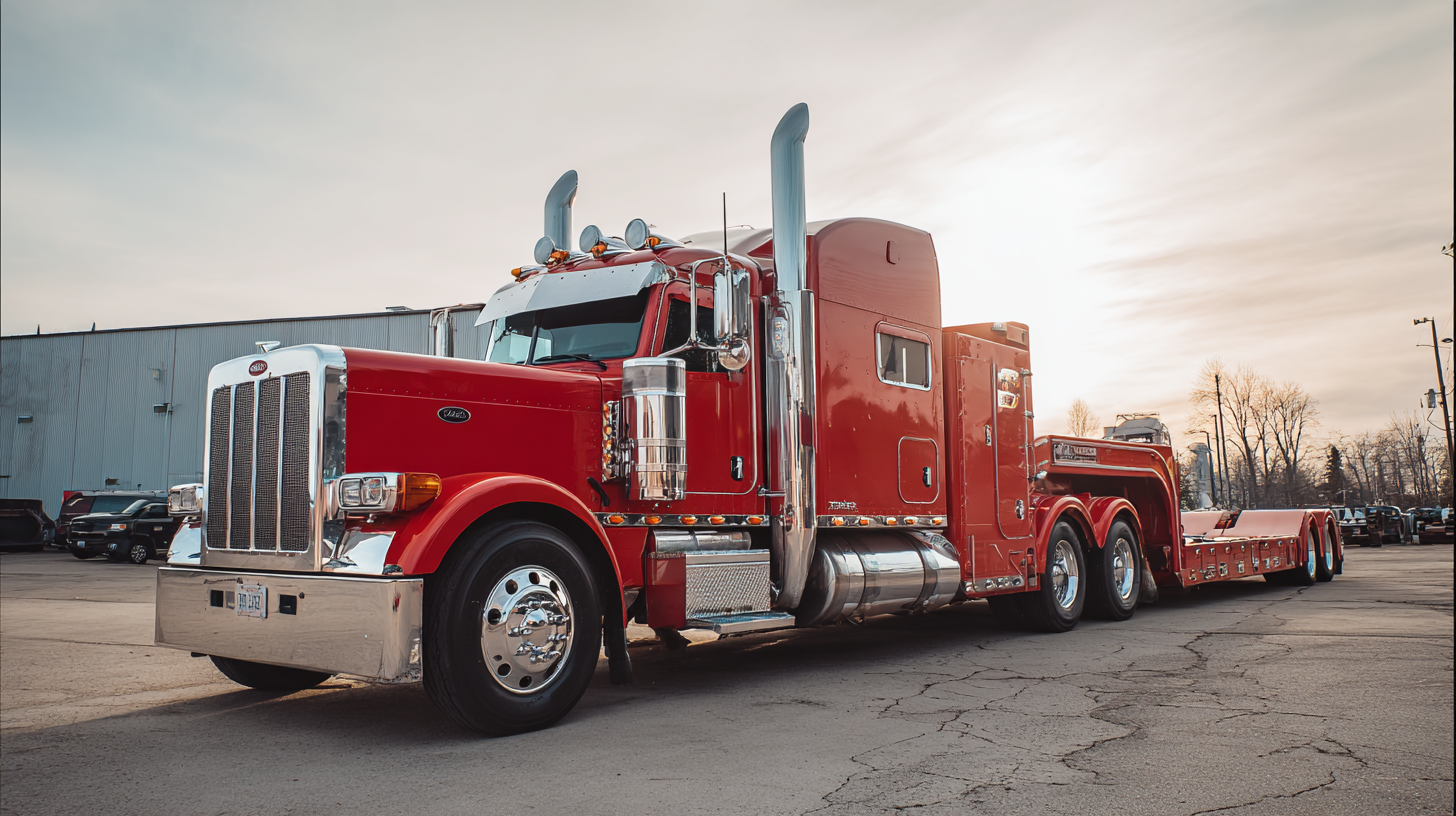
Large tow trucks are pretty essential in the world of automotive recovery—they’re built to handle the really heavy-duty jobs that regular tow trucks just can't manage. There are a few different types of these big rigs, each with its own special features tailored for different situations. Take heavy-duty wreckers, for example; these are equipped with powerful winches and boom arms, making them perfect for recovering vehicles that have rolled over or been badly damaged. According to the American Towman Association, almost 10% of all towing runs involve these heavy-duty trucks, which just shows how important they are.
Then you've got rotator tow trucks, which are pretty amazing—they can pivot a full 360 degrees, giving them mad maneuverability in tight spots and making them super versatile for all kinds of recoveries. The National Institute for Automotive Service Excellence shares that rotator trucks make up around 15% of the towing market, so you can see they’re becoming more and more common out there. And we shouldn’t forget the flatbeds—not exactly heavy-duty, but still crucial. They’re mainly used for transporting vehicles that have been pretty badly wrecked or just can't be towed in the usual way. Knowing how these different types of large tow trucks work really helps you appreciate the complexity and importance of this industry—it’s not as simple as just hooking up and hauling away.
The Technology Behind Large Tow Trucks: Innovations You Might Not Know
Hey, so the towing industry is really going through a pretty big change lately. Thanks to new tech, large tow trucks are getting safer and more efficient. One cool thing happening is how automated systems are now helping drivers out during recovery—kind of like having a smart assistant, which cuts down on mistakes and makes the whole process a lot faster. Things like GPS and telemetry are giving real-time updates on where vehicles are and what’s needed, helping fleet managers organize everything more smoothly.
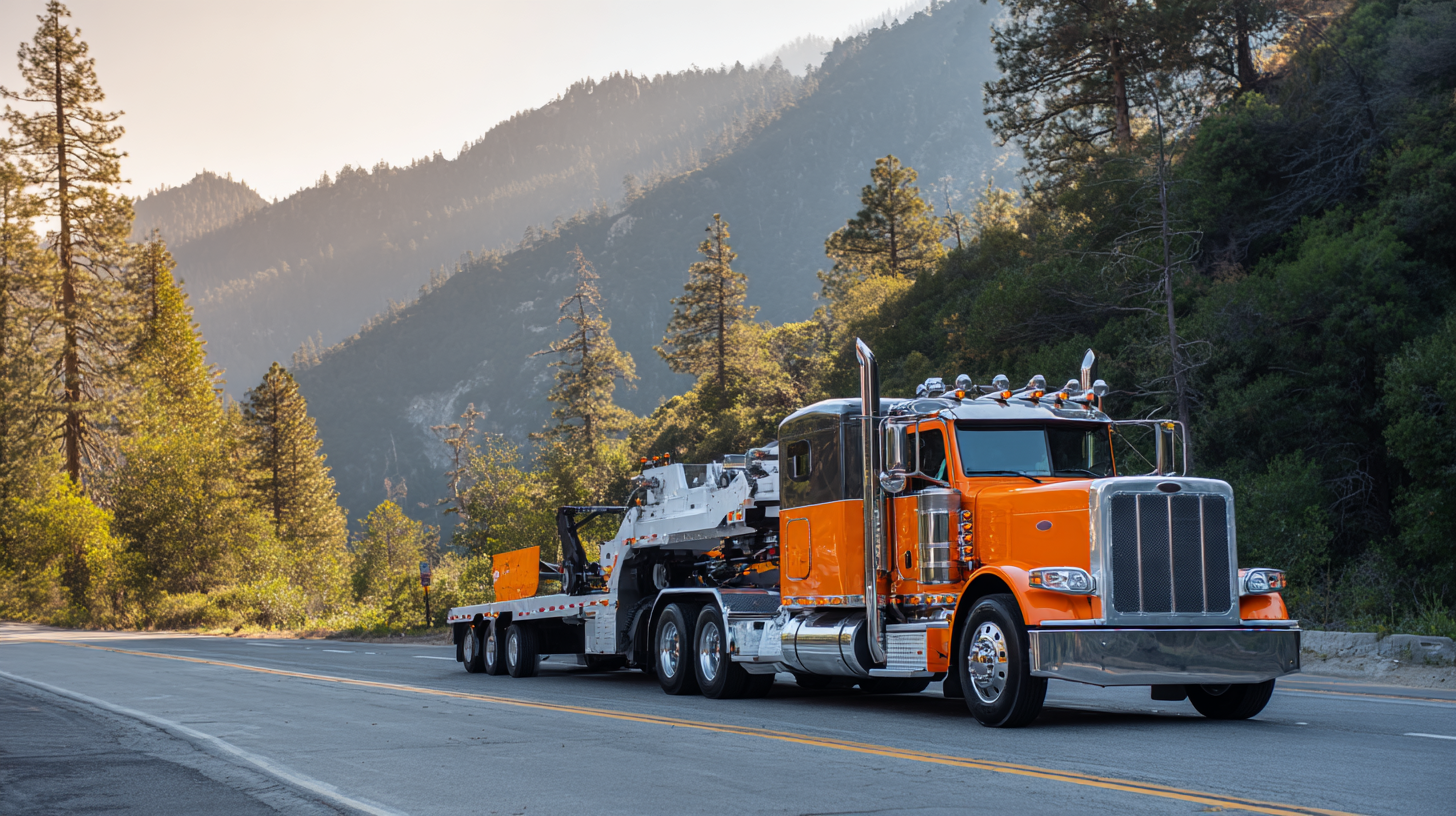
And it’s not just the tech. The materials used to build these big trucks have come a long way, too. Nowadays, they’re made with lightweight but super-strong stuff, which means better fuel economy and more weight they can carry. Funny thing is, the pickup truck market alone is looking at some serious growth—from about $229.85 billion in 2025 to over $333 billion by 2032, growing around 5.5% every year. That’s a clear sign people want more versatile vehicles, and the industry’s embracing all these new tech advancements, both for regular jobs and emergency rescues. All in all, these innovations are really setting the stage for bigger improvements in how towing companies operate and the quality of service they deliver.
Safety Features in Large Tow Trucks: Surprising Advances for Drivers and Cargo
You know, people often overlook just how many safety features big tow trucks actually have—to protect both the drivers and the cargo, of course. Lately, though, new tech has come into play that really bumps up safety during operations. For example, these days, modern tow trucks come with super-advanced stability controls that stop them from tipping over when lifting heavy loads. Plus, automated brakes and collision sensors are becoming pretty much standard, which helps cut down on accidents, especially on busy roads.
When you're thinking about getting a large tow truck, it’s really worth paying attention to these safety features. Drivers should look for trucks that have good visibility lighting and reflective markings—that way, they're easily seen, even in low-light conditions. And honestly, investing some time in proper training on those new systems can make a big difference—making towing safer for everyone involved.
Some quick tips? Always check the safety gear before you start working, keep clear communication signals during the job, and double-check that the cargo is securely tied down. Doing these little things can seriously boost safety—for you and for the vehicles you're hauling. Just a few precautions can make a huge difference in making towing safer and smoother all around.
The Role of Large Tow Trucks in Emergency Response: More Than Just Towing
Big tow trucks are pretty much unsung heroes when it comes to emergency scenes — they do way more than just haul vehicles away. You know those moments after a serious accident, especially when it involves huge trucks or complicated crash sites? That’s where these massive vehicles really shine. Outfitted with all sorts of advanced tech and tools, they help clear the roads quickly, which means less traffic chaos and a safer environment for everyone. Plus, their ability to handle heavy loads makes them absolutely crucial when dealing with larger vehicles in crises, helping emergency crews respond in a flash.
And honestly, these trucks often double as mobile command centers during big emergencies. They help coordinate responders and can even transport vital gear and personnel right to the scene — think medical supplies or extra rescue equipment. The beauty of these rigs? They’re super adaptable. Whether it’s a multi-car pileup on a busy highway or a stranded freight truck out in the middle of nowhere, they’re ready to step in. So, all in all, large tow trucks are pretty much indispensable for emergency management — they play a key role in keeping people safe and getting accidents under control.
Cultural Impact: How Large Tow Trucks Are Portrayed in Media and Pop Culture
Big tow trucks have really changed the game when it comes to roadside help, but they’ve also carved out quite a place for themselves in movies, TV shows, and pop culture. If you’ve seen shows like Yellowstone, you’ve probably noticed how these massive vehicles often steal the scene – standing tall as symbols of rugged independence and the tough, resilient spirit often associated with the American West. These portrayals kind of romanticize the whole idea of tow trucks, turning them into icons of adventure and practicality, all set against beautiful, scenic backdrops.
According to a report from American Towman Magazine, the towing industry is worth around $7.6 billion, with large tow trucks making up a big chunk of that. Seeing them in movies and TV helps boost their importance and shapes how people see them. When viewers watch dramatic rescue scenes or admire the rugged beauty of these vehicles, they also start to understand just how essential towing services really are—something we often overlook in daily life. So, between pop culture and real-world utility, it’s clear that large tow trucks still hold a pretty big place in today’s stories and everyday lives.
10 Surprising Facts About Large Tow Trucks You Didn't Know You Needed
| Fact Number | Fact | Cultural Impact |
| 1 | The first tow truck was created in 1916. | Often featured in historical documentaries about automotive innovation. |
| 2 | Large tow trucks can weigh over 26,000 pounds. | Commonly depicted in action films as heavy-duty heroes. |
| 3 | They can tow vehicles up to 80,000 pounds. | Often glamorized in video games where players operate tow trucks. |
| 4 | Tow trucks are essential for emergency services. | Regularly depicted in dramas portraying first responders. |
| 5 | The largest tow trucks are customized for special tasks. | Showcased in reality TV shows about vehicle recovery. |
| 6 | Recovery operations can cost over $1,000. | Referenced in comedies highlighting expensive towing fees. |
| 7 | There are specific licenses required to operate large tow trucks. | Frequently mentioned in informational programs about truck driving. |
| 8 | Tow trucks are equipped with advanced recovery tools. | Featured in tech shows discussing automotive advancements. |
| 9 | They have played central roles in many rescue missions. | Commonly dramatized in movies and TV series. |
| 10 | The tow truck industry is a significant part of the economy. | Often mentioned in economic discussions about transportation sectors. |
Comprehensive Guide to Purchasing the Sinotruk HOWO 371HP Sino 6X4 Used Dump Truck: Features, Price, and Benefits
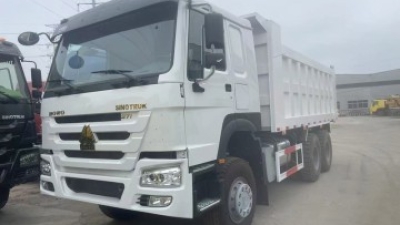
When considering the purchase of a used Sinotruk HOWO 371HP Sino 6X4 dump truck, it's essential to focus on its standout features, price, and the benefits that come with this robust vehicle. One of the most notable aspects is the spacious cab, designed to provide an exceptionally comfortable driving environment. This feature is particularly beneficial for long-haul drivers, as the roomy interiors help to reduce fatigue, allowing for increased productivity on the road. The flat floor design found in some models adds an extra layer of convenience, facilitating easier movement for both the driver and passenger.
In addition to its spaciousness, the HOWO 371HP is equipped with a multitude of humanized configurations that cater to the needs of modern drivers. The multi-function steering wheel, automatic air conditioning, and airbag shock-absorbing seats illustrate the manufacturer's commitment to enhancing the driving experience. These features not only improve comfort but also provide a more personalized driving experience, enabling adjustments that match individual preferences and requirements.
The powerful engine and large carrying capacity place the Sinotruk HOWO 371HP at the forefront of used dump trucks. With unique advantages in cargo box size and wheelbase options, this truck is adept at meeting diverse transportation needs and challenging working conditions. This capability makes it an excellent investment for businesses looking to optimize their operations while ensuring safety and efficiency on the job.
FAQS
: Early tow trucks were simple, manually operated devices that relied on basic mechanical systems, primarily designed for recovering broken-down vehicles without advanced technology.
Large tow trucks have evolved to include powerful engines, hydraulic systems, and advanced towing capabilities, allowing them to handle heavier loads, including buses and construction equipment.
Modern tow trucks come equipped with integrated GPS navigation, enhanced safety mechanisms, and multi-function cranes, making them essential for efficient roadside assistance.
They provide essential support in emergencies by clearing roadways swiftly, serving as mobile command centers, and transporting necessary equipment and personnel to incident sites.
Their ability to handle significant loads enables them to facilitate rapid response times during accidents, thus minimizing traffic disruptions and enhancing public safety.
Large tow trucks are often portrayed as symbols of rugged individuality and resilience in shows like Yellowstone, romanticizing their role and making them icons of adventure.
The towing industry is estimated to be worth approximately $7.6 billion, with large tow trucks representing a significant portion of this market.
Media representation amplifies the importance of tow trucks, driving interest in the profession and helping viewers appreciate the critical services they provide.
They are vital allies in emergency management, assisting in accident resolution and public safety by adapting to various crisis scenarios.
Their technological advancements and capabilities ensure efficiency and safety in handling both light and heavy vehicles, making them indispensable in recovery efforts.
Conclusion
Big tow trucks have come a long way, evolving from pretty basic machines into these impressive, high-tech beasts packed with all sorts of safety features. If you take a moment to learn about the different types of large tow trucks, you’ll see they all have their own special roles — whether it’s just a simple vehicle recovery or a more intense emergency situation. Thanks to new innovations in towing tech, these trucks work more efficiently than ever, giving peace of mind to drivers and making sure both them and their cargo stay safe.
And honestly, these big tow trucks have also become pretty iconic in pop culture. You often see them in movies and TV, symbolizing strength and dependability. As DEYANG HONGKAI AUTO TRADING CO., LTD. shifts more into truck trading — including refurbished large tow trucks — it’s clear they’re not just about practicality. These vehicles are really important in society, and they kind of symbolize resilience and toughness that people admire.